
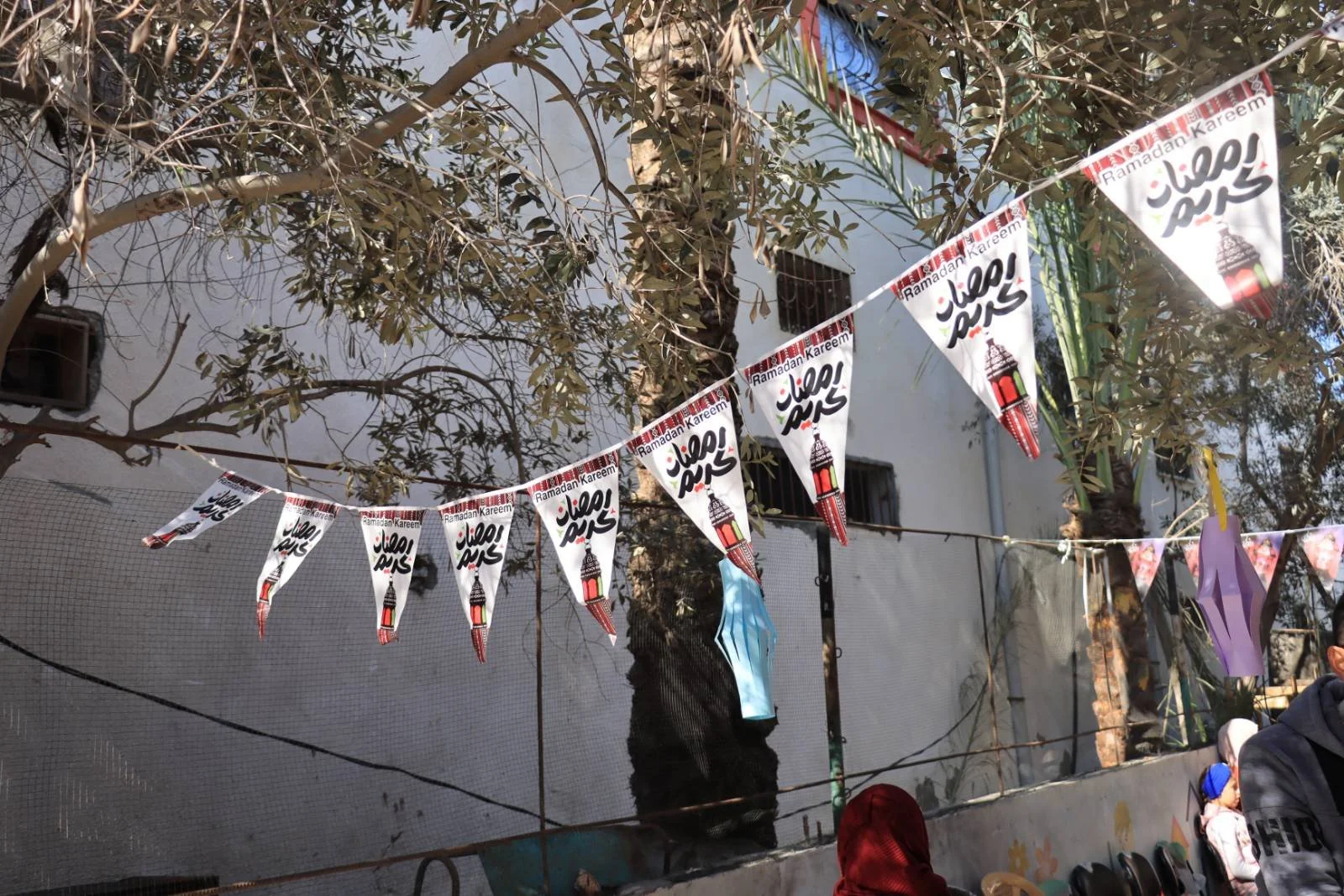
About Ramadan
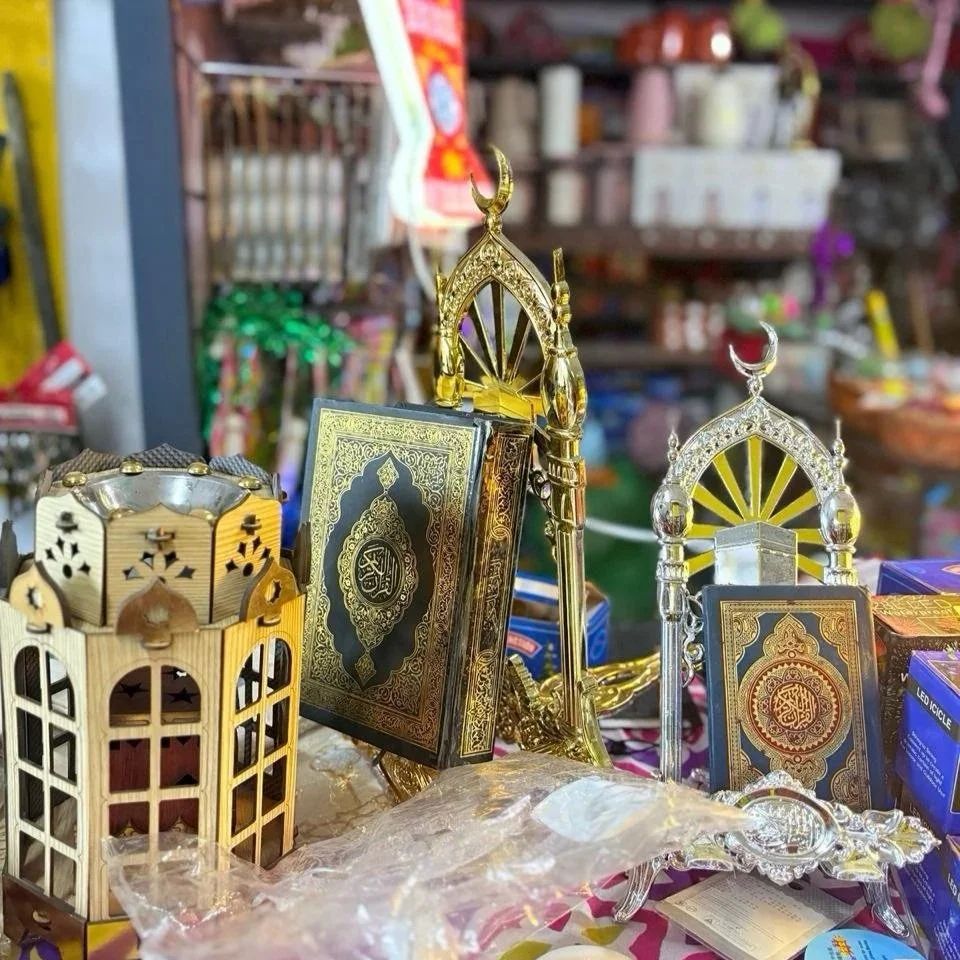
1. What is Ramadan?
Ramadan is the ninth month of the Islamic lunar calendar and is considered a holy month for Muslims. It is a time of fasting, prayer, reflection, and compassion.
2. Why do Muslims fast during Ramadan?
Fasting is an act of worship that helps Muslims develop self-discipline, empathy for those in need, and a stronger connection with God.
3. What does fasting involve?
Muslims abstain from food and drink from dawn (Fajr) to sunset (Maghrib).
4. Who is required to fast?
Fasting is obligatory for adult Muslims who are physically and mentally able.
5. Who is exempt from fasting?
Children, the elderly, the sick, pregnant or breastfeeding women, and travelers are exempt. Missed fasts are usually made up later or compensated through charity.
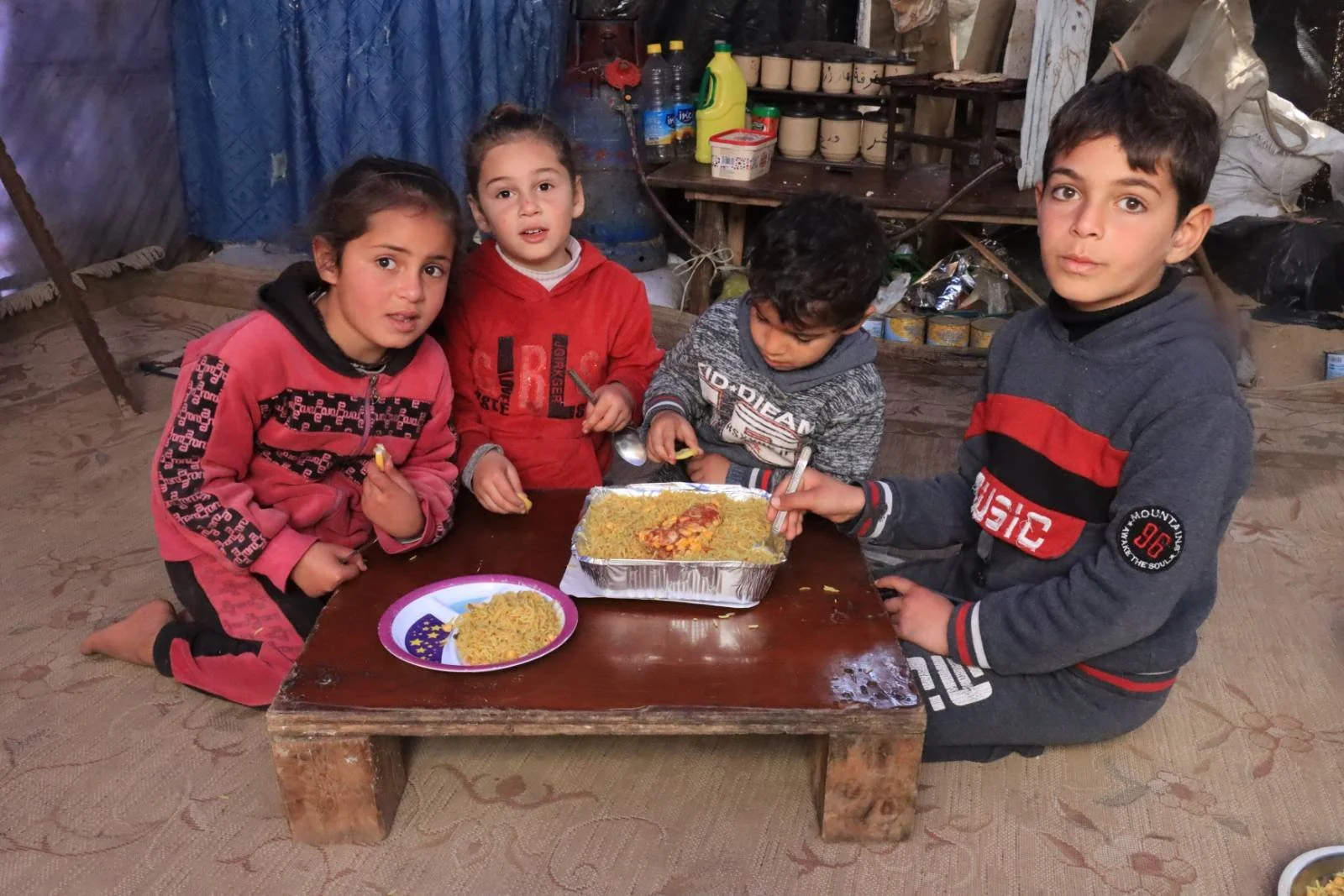
6. What are Suhoor and Iftar?
Suhoor: The meal eaten before sunrise, marking the start of the fast.
Iftar: The meal eaten at sunset to break the fast, traditionally beginning with dates and water.
7. Does Ramadan follow the same dates every year?
No. Ramadan follows the lunar calendar and begins about 10–11 days earlier each year. The exact dates may vary depending on the sighting of the moon.
8. Can Muslims work or go to school while fasting?
Yes. Daily life continues as usual.
9. What is Laylat al-Qadr (The Night of Power)?
It is one of the last ten nights of Ramadan and is considered the holiest night of the year, when prayers are believed to be especially powerful.
10. What is Eid?
Eid al-Fitr (the Feast of Breaking the Fast) is a holy festival for Muslims that marks the end of Ramadan. It is celebrated with family, friends, and the wider community. Shopping for Eid clothes is an important tradition, and as Eid approaches, marketplaces bustle with people buying new clothes and gifts for their loved ones.
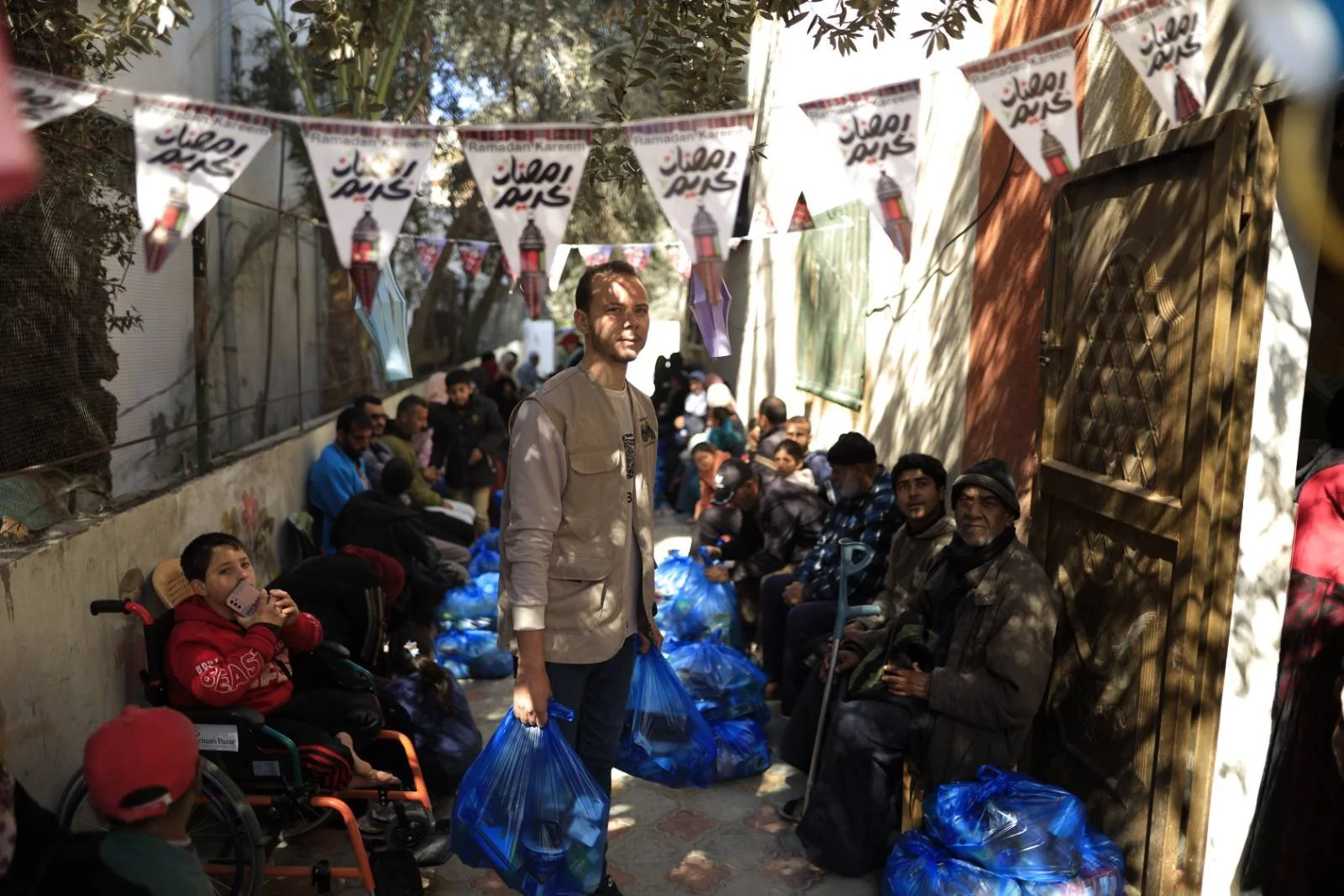
Feed a Fasting Family in Gaza this Ramadan
GIVE NOW
Learn about Rebuilding Alliance work during Ramadan. Click Here